The large-scale exhibition Nikolai Akimov and His Students at MASP is timed to coincide with the 125th anniversary of the birth of one of the greatest Russian theatre directors and set designers of the 20th century, Nikolai Pavlovich Akimov (1901–1968). The project will present not only the oeuvre of the famous artist, but also showcase the work of his students, many of whom have made a significant contribution to the development of Russian art.
From 1954 until 1968, Akimov headed a specially created directing department at the A. N. Ostrovsky Leningrad Institute of Theatre. His teaching system was remarkably flexible, thanks to which he not only trained a pleiad of talented theatre directors, but also influenced the formation of Russian artistic culture in the 1960s–1980s.
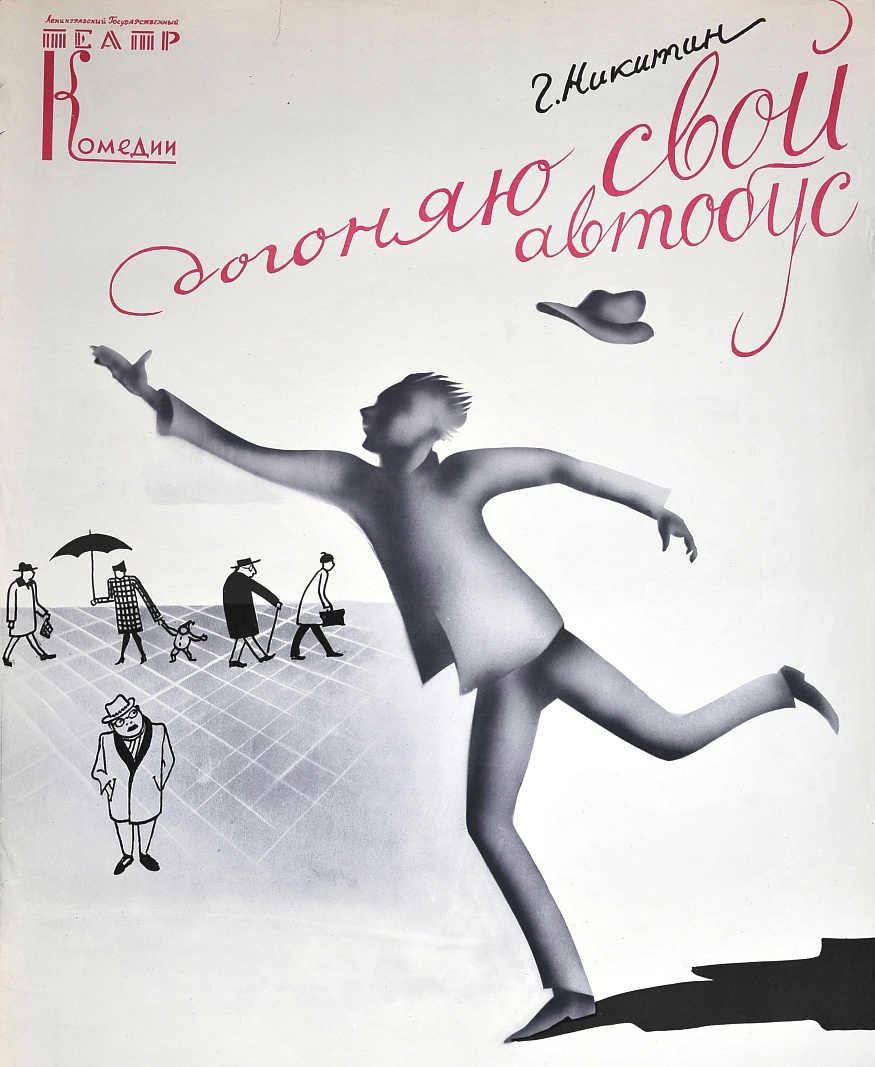
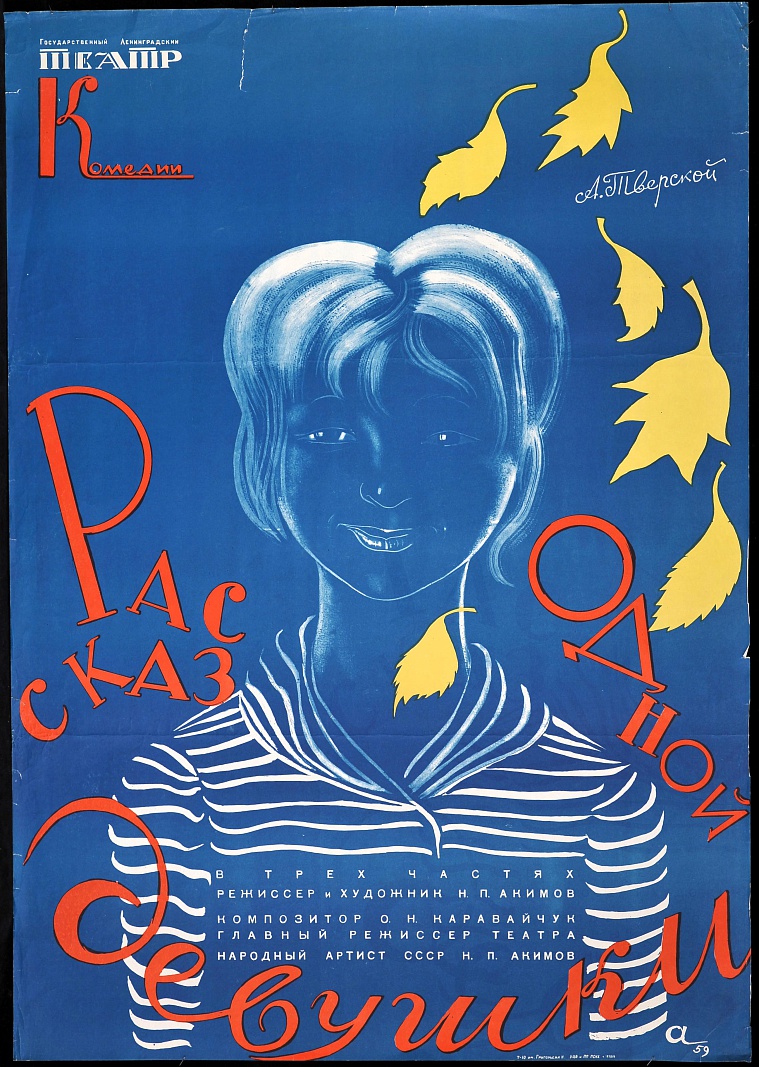
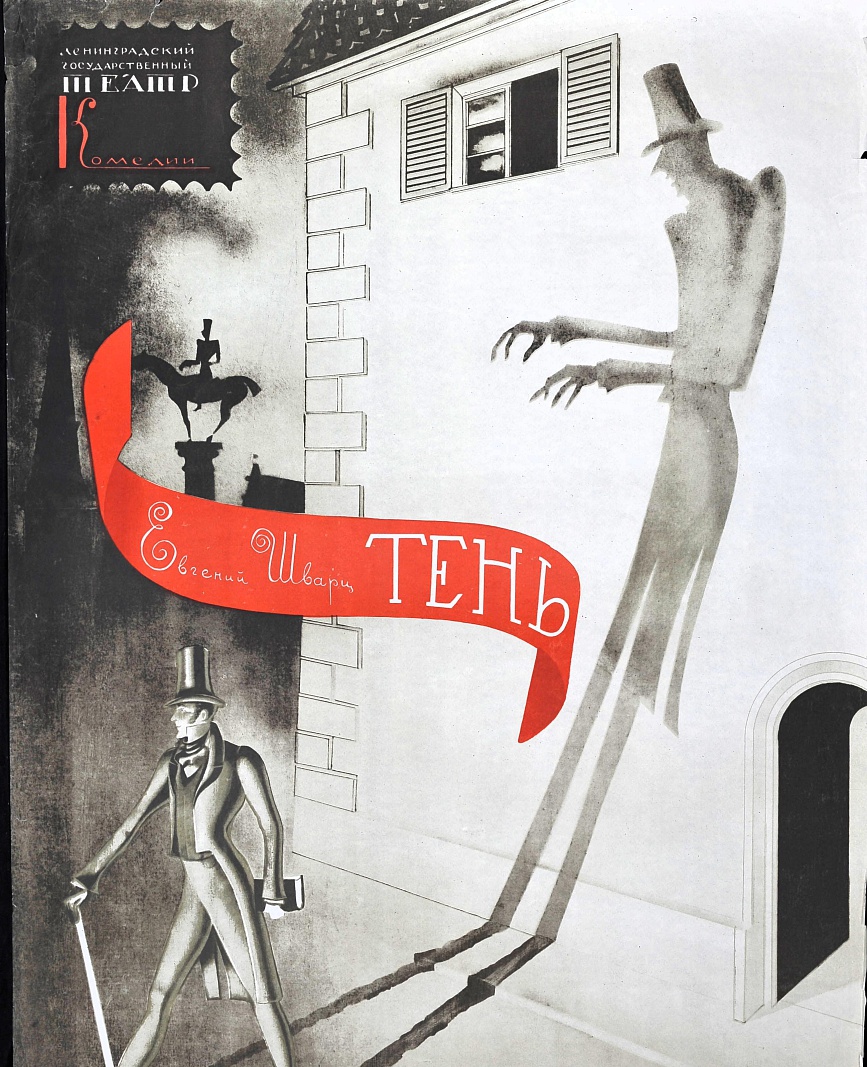
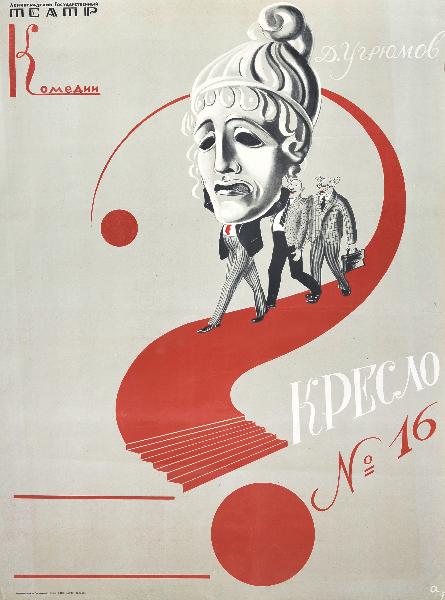
Akimov himself will be presented at the exhibition as an outstanding artist who created a gallery of expressive, emotional graphic portraits of famous contemporaries and people close to him, as well as vivid compositions – sketches of sets and costumes for performances that reflected the artist's innovative role in the development of Russian theatre in the 1930s –1960s and demonstrating Akimov's avant-garde interpretation of characters not only from the latest pieces, but from the classics as well. The exhibition will also demonstrate the artist's unique skill in creating posters for his plays staged at the St Petersburg Comedy Theatre, to which he devoted three decades of his life and which now bears his name.
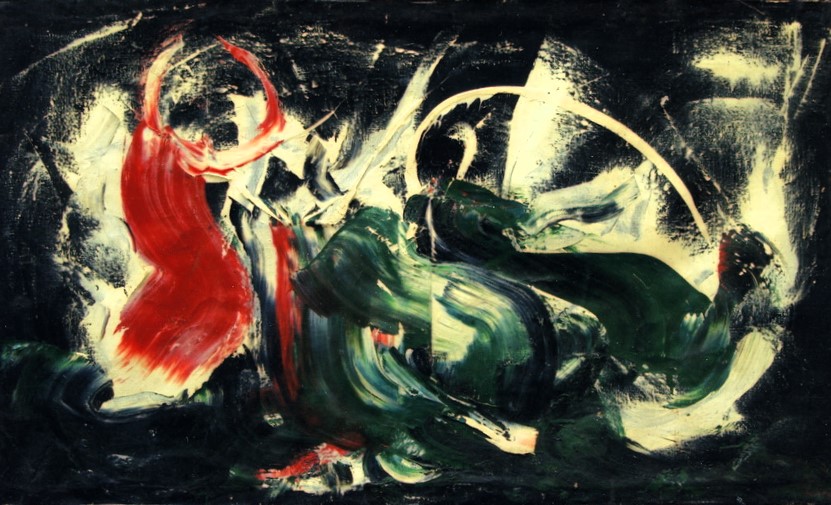
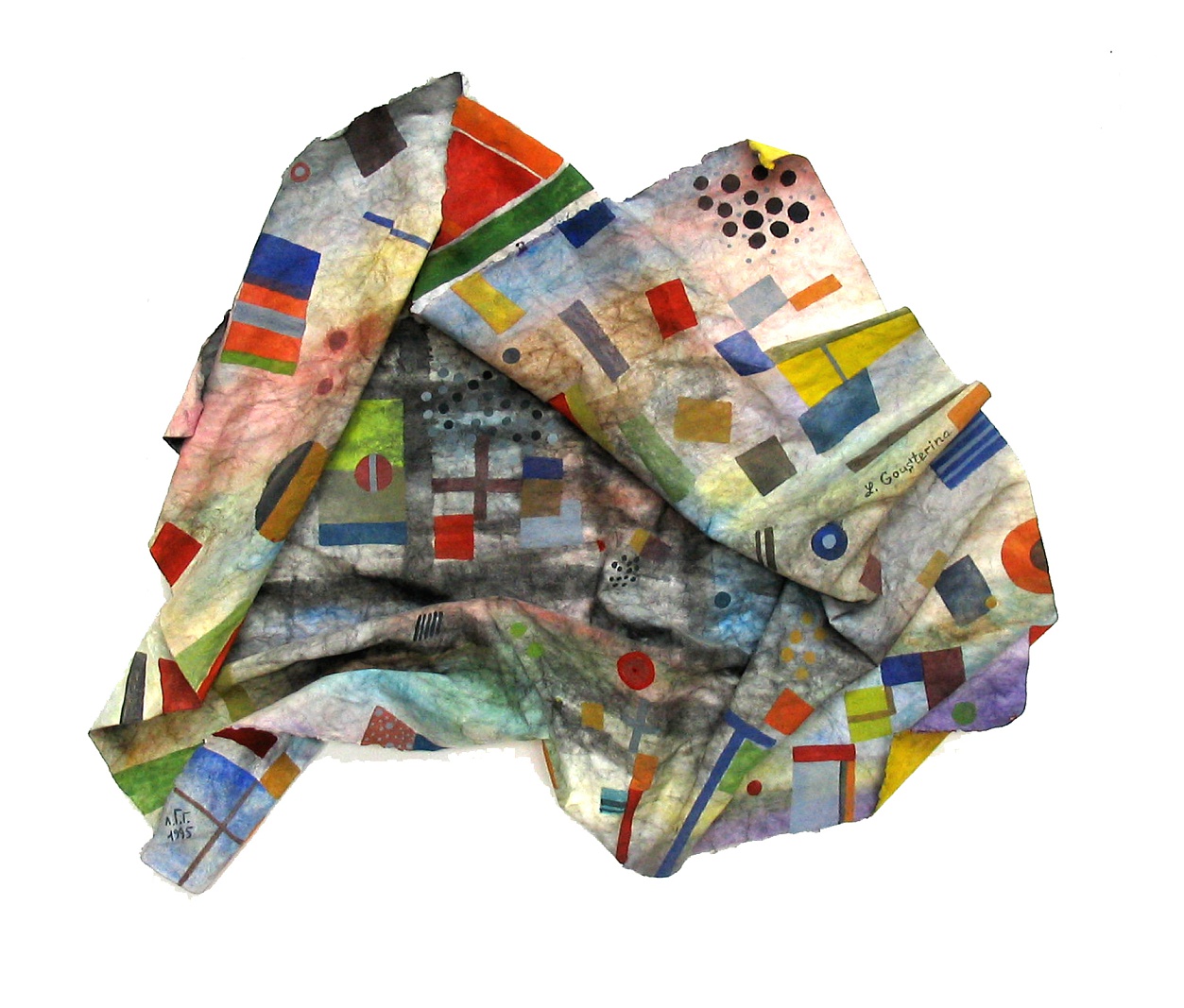
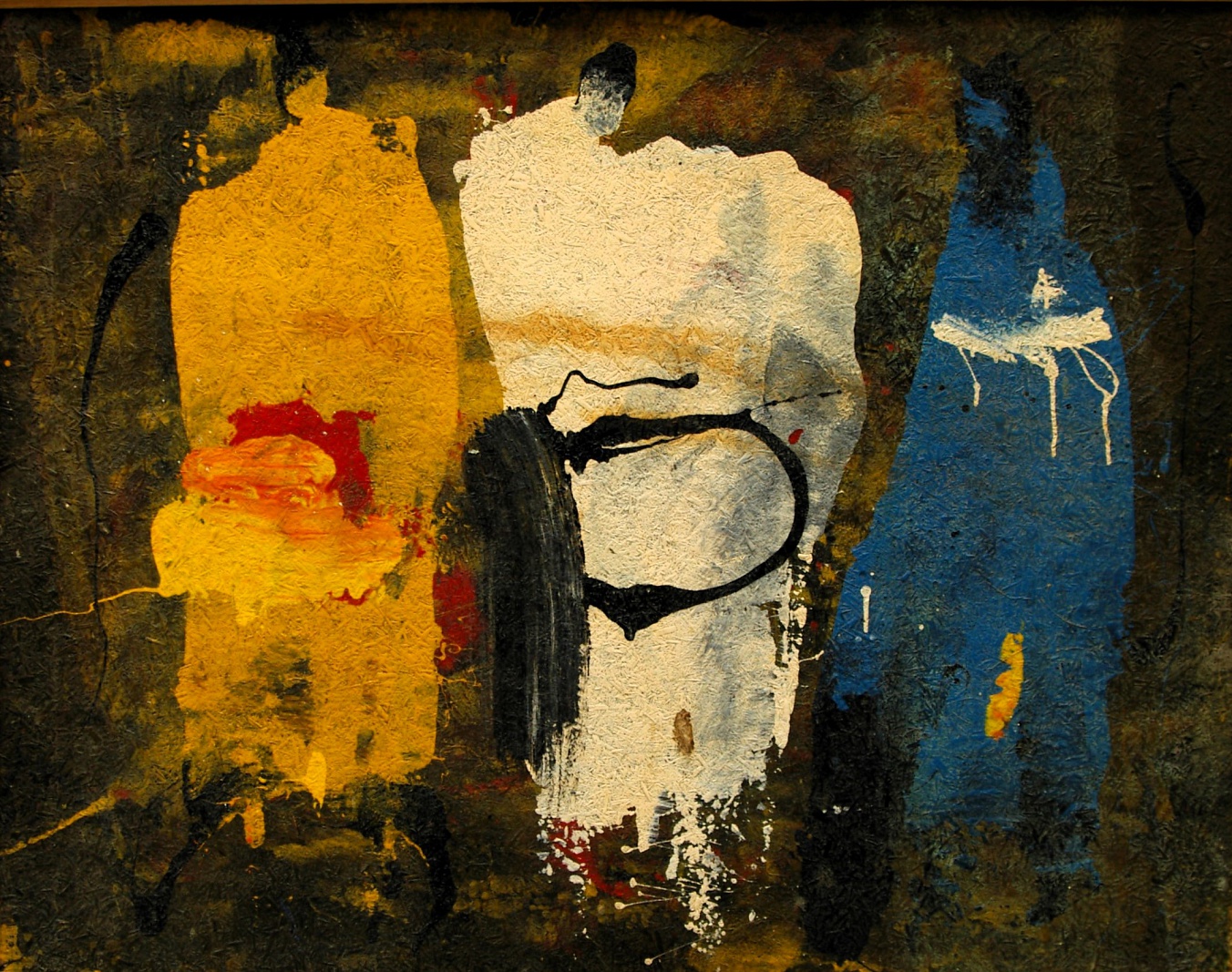
The exhibition will feature paintings and objects by Akimov's most famous and successful students: Oleg Tselkov, Eduard Kochergin, Mikhail Kulakov, Evgeny Mikhnov-Voitenko, Marina Azizian, Larisa Gusterina, Vitaly Kubasov, Alexander Rapoport, Vladimir Mikhailov, Igor Tiulpanov, Boris Dyshlenko, Tatiana Kerner, Gennady Sotnikov and others, many of whom became pillars of Leningrad and Moscow nonconformism and gained international fame, while others left a noticeable mark as set designers. The exhibition will demonstrate the creative freedom inherited from their teacher and the diversity of styles of the “Akimovites”: from Tselkov's deformed human images to Kulakov's monumental abstractions and Rapoport's expressive fantasies.
The exhibition will include works from the Moscow museums – the Moscow Museum of Modern Art, the ROSIZO Museum and Exhibition Centre, and the AZ Museum, and four Petersburg museums – the State Museum of Theatre and Music, the State Museum of History of St Petersburg, the New Museum, and the Museum of the 20–21 Century Art of St Petersburg, as well as from private collections.