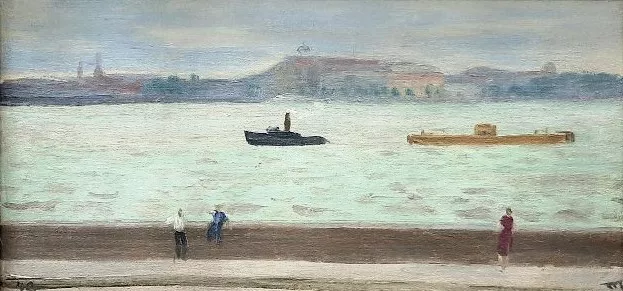
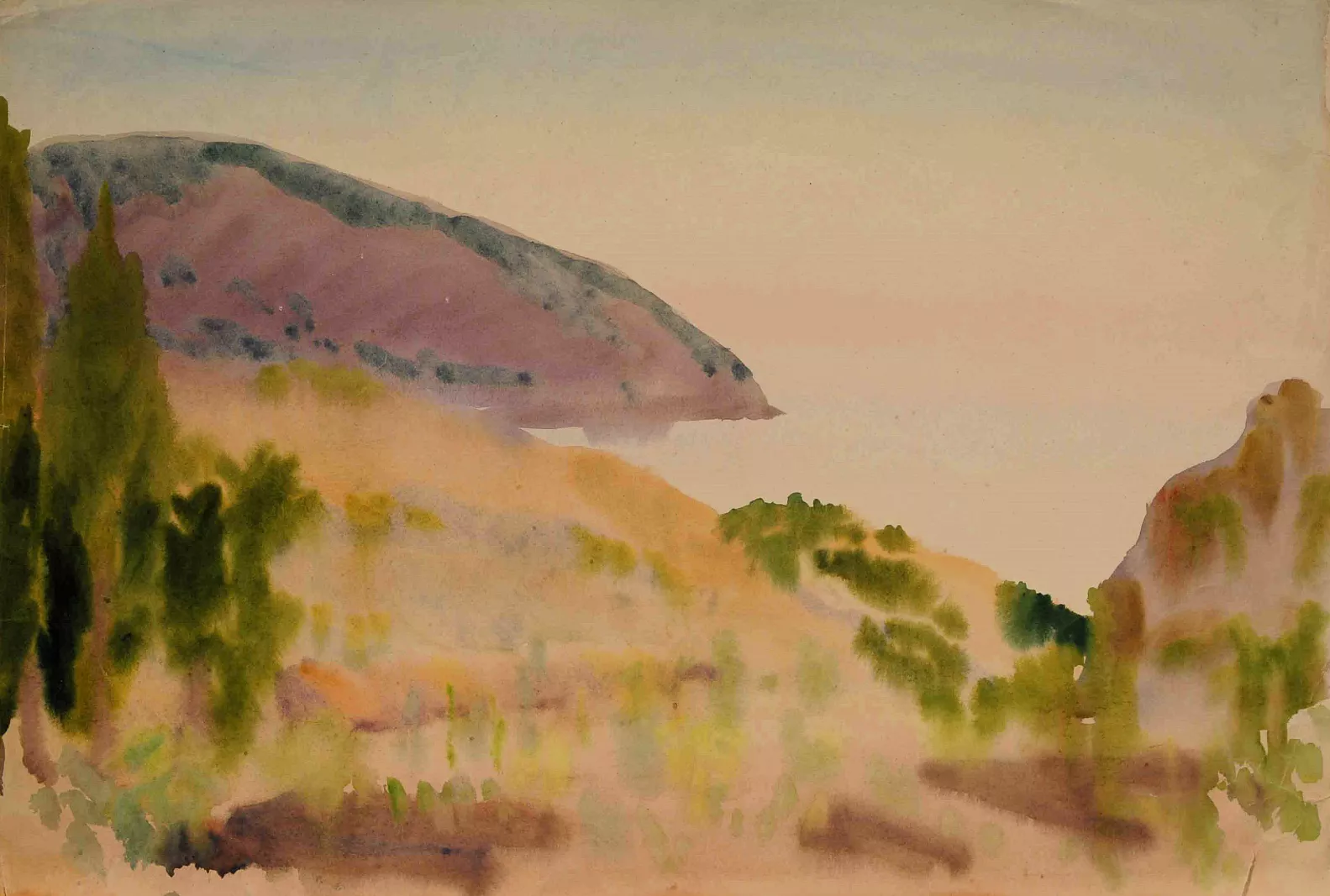
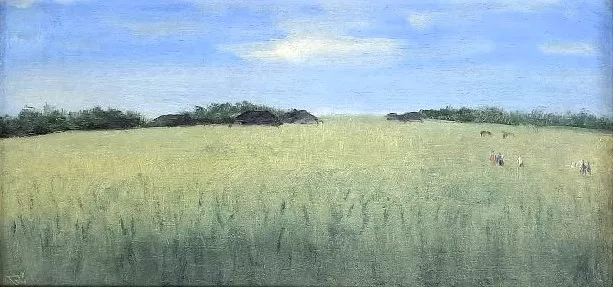
The exhibition is dedicated to the 130th anniversary of the painter and graphic artist Vladimir Grinberg (1896–1942), one of the most prominent figures in the Leningrad artistic life in the 1930s and early 1940s. He can be counted among the founders and leading representatives of the famous Leningrad landscape school. A native of Rostov-on-Don, a southerner, the artist moved to the city on the Neva in 1922 and devoted his work to depicting Leningrad and its citizens, subtly and accurately conveying the northern, Leningrad perception of environment that arises from the sense of characteristic rhythms, lighting, and visual image of the city, and not just its recognisable ensembles. In his works, the artist captured the city, both old and new, sometimes leaving it behind to paint rural and even southern landscapes, but the Neva always remained his favourite model. He lived on Dvortsovaya Embankment, and he painted the panorama seen from the windows of his apartment in endless variations, at different times of the day and in different seasons. Greenberg always introduces familiar architectural landmarks into his city motifs, but does not focus the viewer's attention on them. The artist did not create views, but rather captured Leningrad mood, similar to the Parisian motifs of Albert Marquet. The influence of the post-Cézannists, and in particular Marquet, on Greenberg's work is undeniable, as it is on the paintings of other representatives of the Leningrad landscape school (they were even called ‘Marquists’ or ‘Frenchmen’). However, each of them, and Greenberg in particular, created their own deeply individual image of Leningrad, contemplative, quiet, filled with a personal sense of time and space.
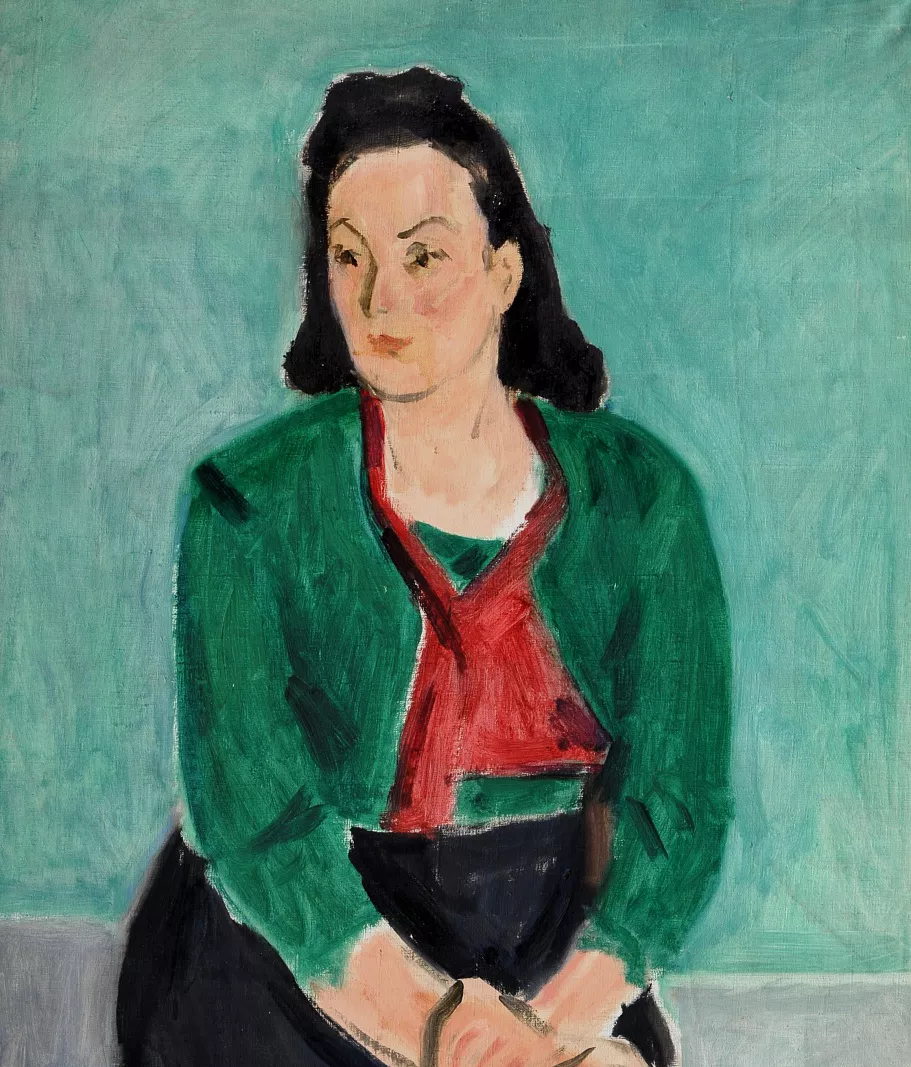
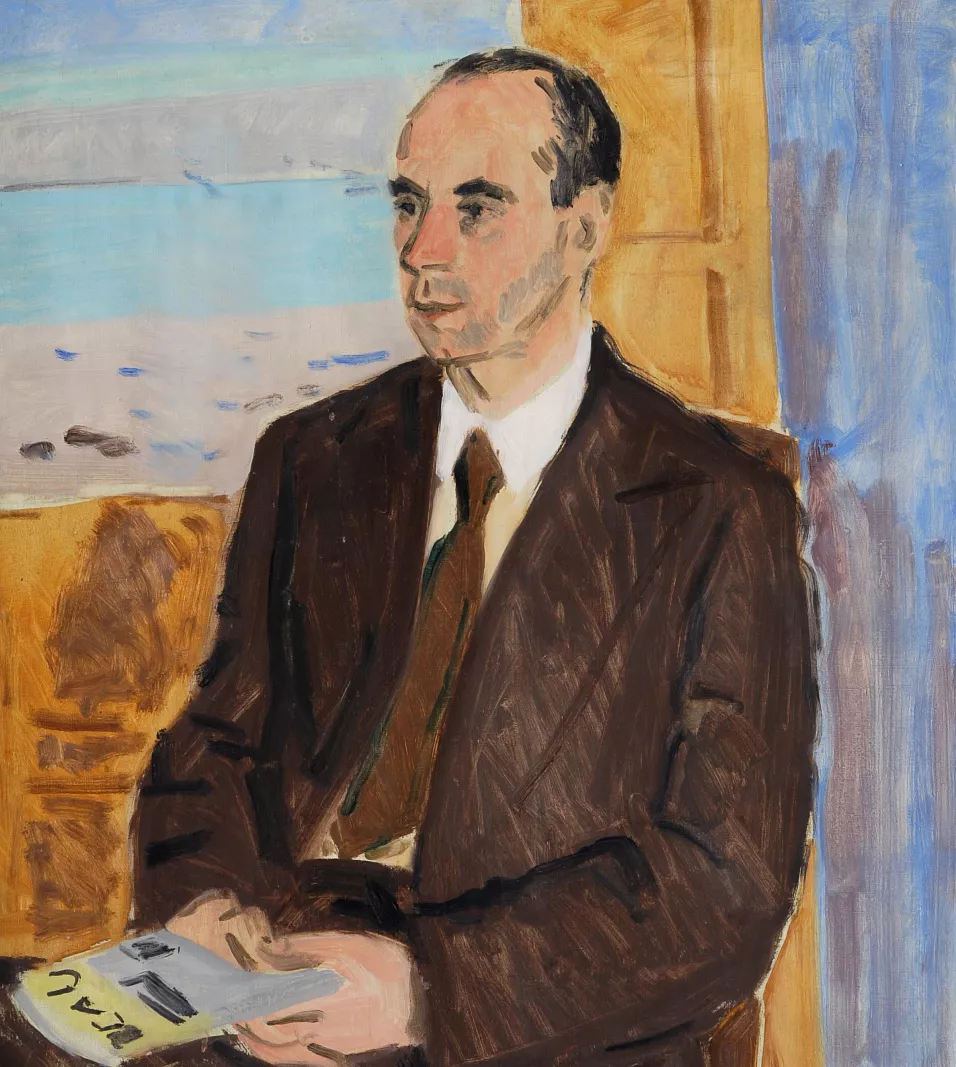
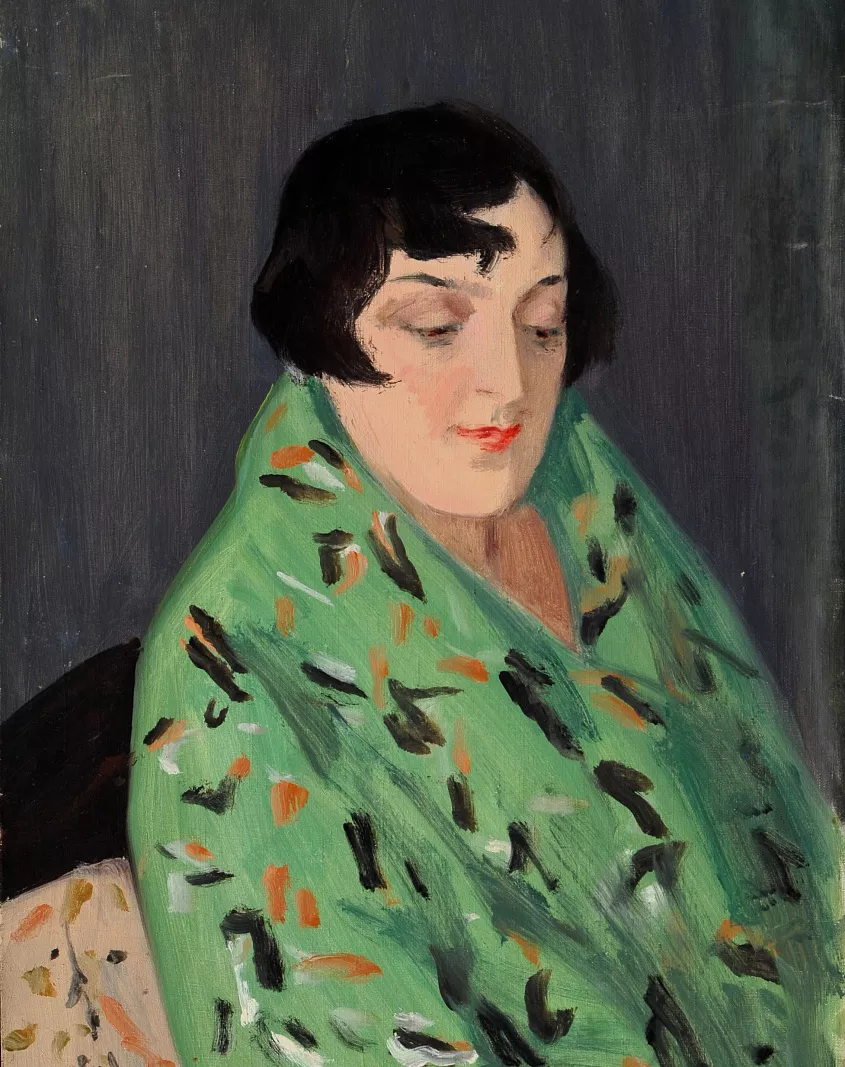
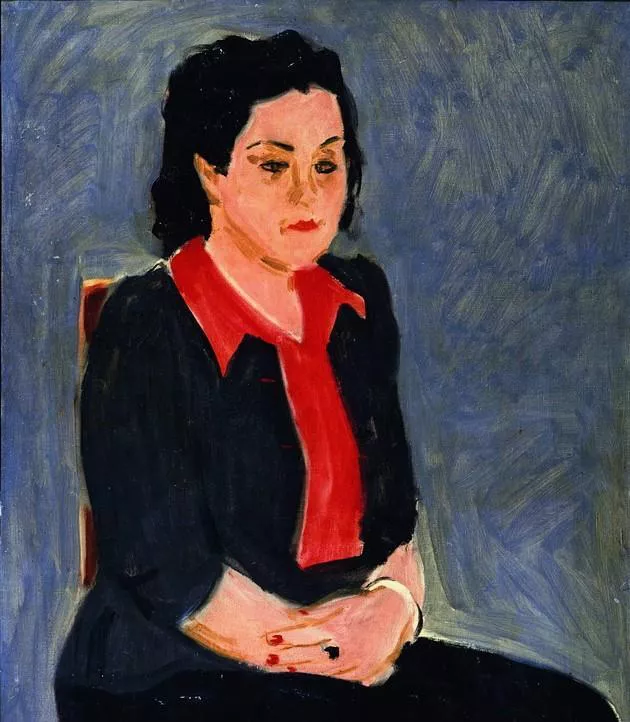
The artist also worked a lot in the genre of portraiture, creating a series of images of his contemporaries: relatives, friends, persons working in culture. Portraits from the 1930s and early 1940s are among the artist's best works. They are united by a single approach: minimal artistic means, rejection of narrative and effect; despite the overall similarity of compositional solutions, each portrait is characterised by a specific psychological and emotional state. The exhibition will feature, among others, portraits of architect F. Bernshtam, artists A. Latash and A. Shenderov, and, of course his wife, Vera Grinberg.
During the war, the artist shared the fate of the Leningrad citizens remaining in the besieged city – he died of starvation in January 1942.
The exhibition will include works from the State Museum of the History of St Petersburg, the Museum of the 20th–21st Century Art of St Petersburg, the “Tsarskoye Selo Collection” Museum, and private collections.